|
|
|
|
|
|

|

|

|

|
|
Welcome back to The Bend!
|
|
The Bend follows a simple rhythm each week. The Eddy Line opens with a one-line thought or
observation, something short enough to remember but worth thinking
about. What the Current Pulled Toward dives a
little deeper into where the previous week’s energy went, whether that’s
a project, a partnership, or a personal lesson learned. Signal Fire highlights a person, place, or initiative
that deserves some attention. From the
Field, shares a small anecdote about the broader outdoor
recreation economy from Oxbow’s non-profit arm, the VA
MTNS Outdoor Collective. And One Thought Worth
Sitting With closes things out with a brief reflection or quote
that will hopefully help guide you through whatever you may be dealing
with.
It’s part journal, part field note, and hopefully
something that makes you pause for a moment before diving back into the
current.
|
|

|
|

|
|
“Resilience is admirable. Preparation is
better.”
|
|

|
|

|
|
|
What the Current Pulled Toward
|
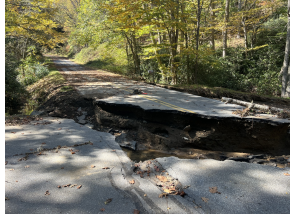
This week the current pulled toward
resilience, specifically the cost of relying on
it.
At the
New River Symposium last week, resilience was more than just a buzzword,
it was the through line. Different disciplines and different
perspectives, all circling the same idea: we’ve gotten very good at
responding. The question, though, is whether we’re getting any better at
preparing.
The Symposium leaned in on this tension and how it feels
more real in the wake of Hurricane Helene, even though it’s been about
18 months since the storm.
We’ve seen this story before. Communities disrupted.
Infrastructure strained or, in some cases, destroyed. People stepping up
in ways that are nothing short of remarkable. There’s no doubt these
places are resilient. But resilience comes at a cost.
It’s often framed as strength
and don’t get me wrong, it absolutely is. But it’s also a signal. A
signal that something upstream didn’t hold (literally). That investments
weren’t made. That systems weren’t aligned. That planning didn’t fully
account for what was coming.
Resilience is what shows up when preparation doesn’t.
That’s why folks are putting in the work around regional resiliency
networks. This work is improving response times and recovery strategies,
while at the same time rethinking how we operate before disruption ever
occurs. Coordinating across boundaries. Sharing information earlier.
Making decisions with the next event in mind, not the
last one.
Upstream thinking rarely gets attention. It’s not
visible and it’s not urgent. Until it is.
But, honestly, it’s where the real work
lives. Or at least it should. Because every investment made upstream
reduces what’s required downstream. That’s not just in dollars, but in
stress, disruption, and loss.
There’s nothing wrong with being resilient. But if
resilience alone is the goal, we’re aiming too low.
- Mike.
|
|
|

|
|

|
The Ohio River Valley
Institute focuses on building a more sustainable and resilient
economic future for communities across Appalachia and the broader Ohio
River Valley.
Their work centers on
research, policy, and economic transition, particularly in regions that
have long depended on extractive industries. Rather than reacting to
decline, they focus on identifying opportunities like clean energy,
workforce development, and regional collaboration, all of which position
communities for what’s next.
I
appreciate their emphasis on forward-looking investment and not just
addressing current challenges, but anticipating future ones and planning
accordingly. Their work helps build systems that don’t break as easily
in the first place.
To learn more about
the Ohio River Valley Institute, click
here.
|
|

|
|

|
|

|
|
Cities, towns, and counties across Southwest and
Western Virginia that invest in outdoor infrastructure are increasingly
seeing measurable returns in tourism spending, small business growth,
and population stabilization.
But there’s another layer to
it. Those same assets - trails, rivers, parks - also contribute to
resilience, offering natural flood mitigation, alternative
transportation corridors, and economic diversification when traditional
industries decline.
Simply put, the outdoor
economy is part of the region’s long-term strategy.
Remember this when your locality offers up cuts to
parks and the outdoors as the first measure of balancing the
budget.
|
|
|

|
|

|
|
One Thought Worth Sitting With
|
|
This week’s theme: Resilience.
“The best way to predict the future is to create
it.“
-Peter Drucker
|
|

|
|

|
|
Follow Oxbow on Social Media
|
|

|
|
|
|

|
|

|
|
|
|
|
|
|
|